
Lore cards
The period, on file.
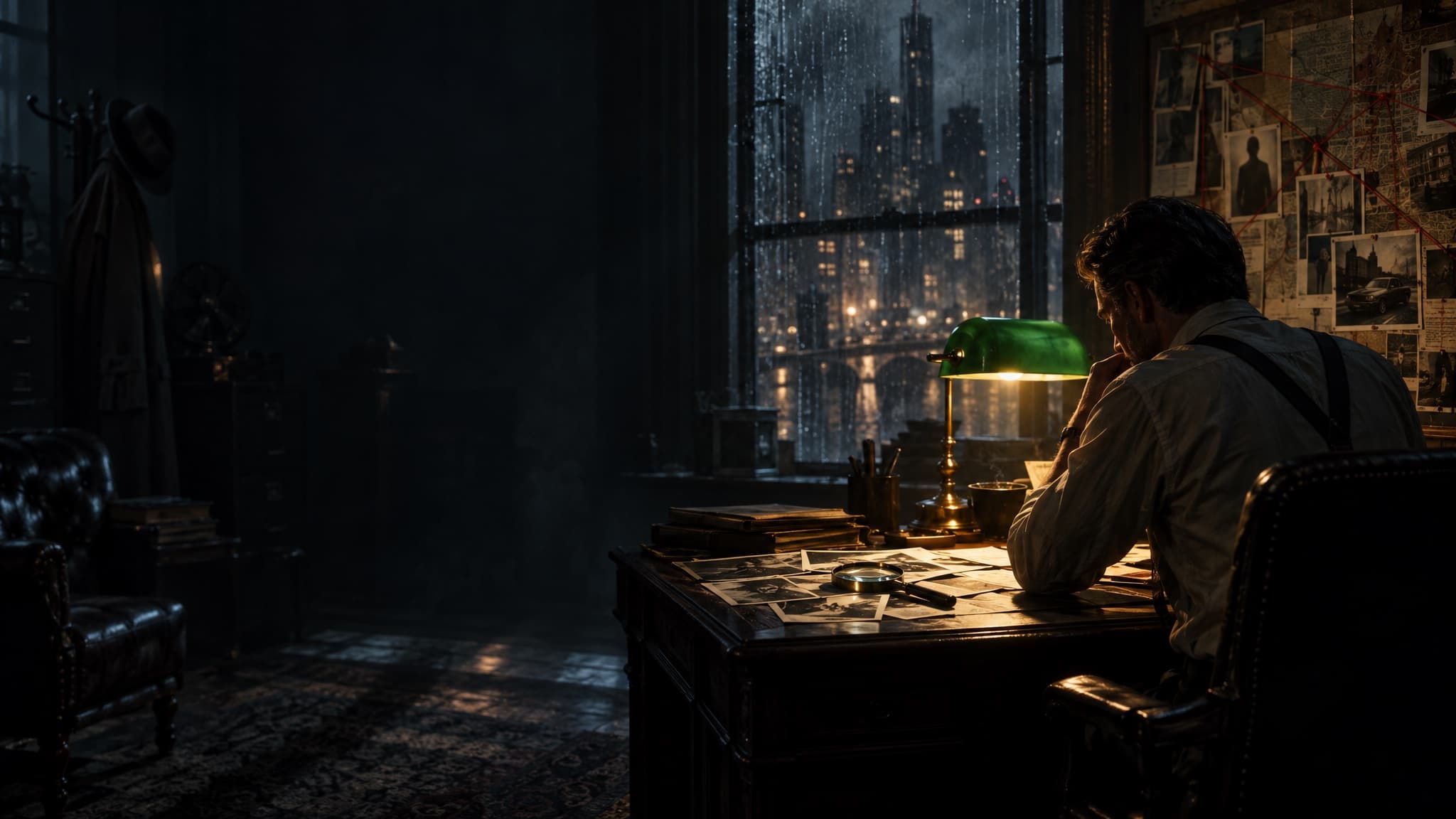
Write cards for the city, the court, the customs, and the people who matter, with the dates and details you care about. They enter the scene when named, or every time if you pin them.
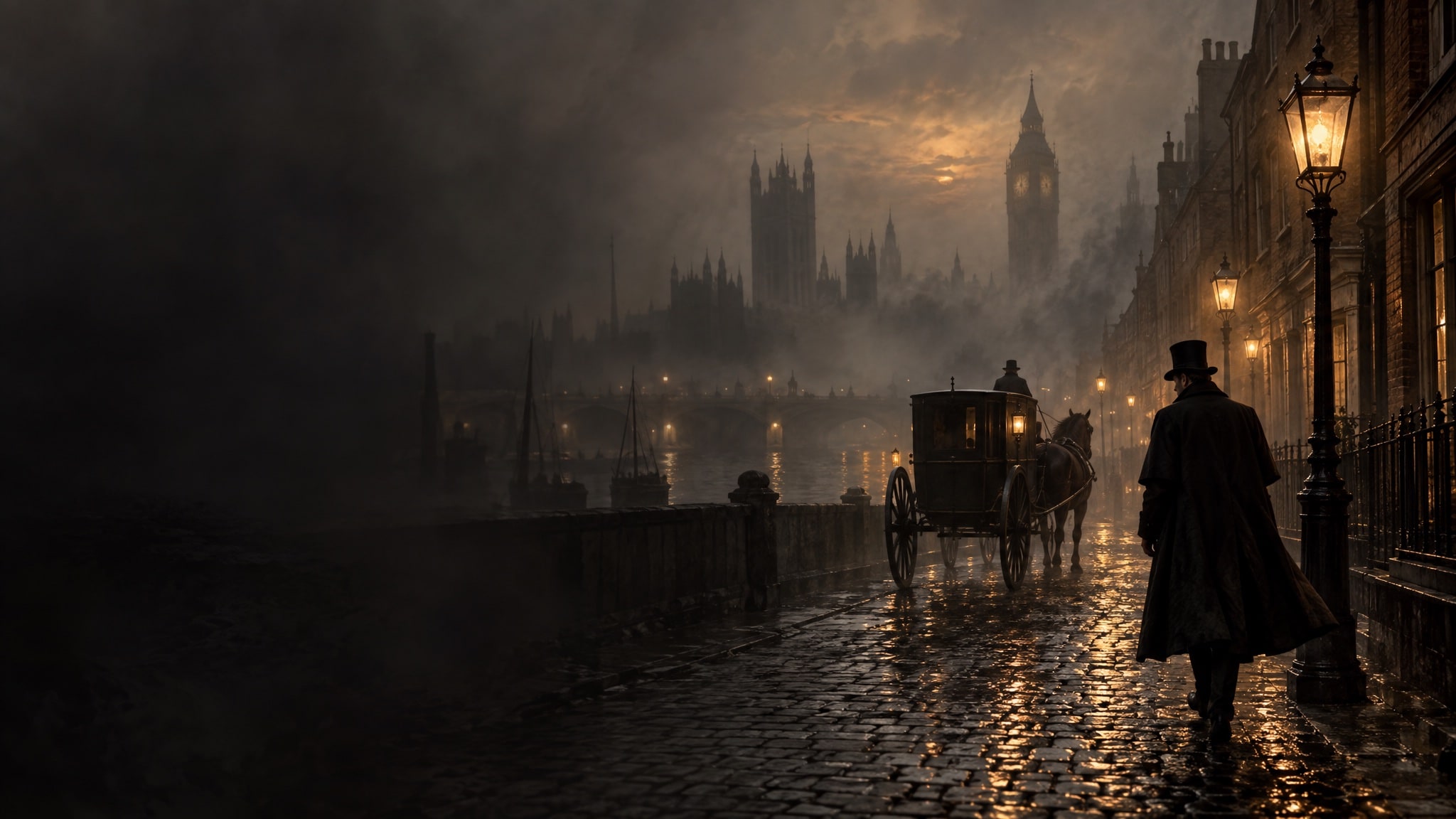
Historical fiction asks for texture: the right titles, the curfew bells, the politics behind every invitation. Put your period’s facts and figures on lore cards and LoreWeaver keeps them in play, whether you follow the record or rewrite it.
The short answer
It works best when you give it the facts. On LoreWeaver you put your period’s places, customs, and figures on lore cards, and the storyteller brings them into replies whenever they come up. Memories keep your story’s own history straight across sessions, and branching lets you test an alternate history without losing the original.
Updated
A historical scene
Stories set in real periods of the past.
This is how a historical story reads once it is under way: the storyteller plays the world and everyone in it, and the reply box waits for your move.

Hanbury Street · 1888
Sergeant Hale
“Third letter this week, sir, and every one in your own hand. Either you write to yourself, or someone in this city knows you very well.”
From the Hub
Historical on LoreWeaver
Lore cards
Write cards for the city, the court, the customs, and the people who matter, with the dates and details you care about. They enter the scene when named, or every time if you pin them.
Style rules
Ask for period dialogue, forms of address, and narration in the world’s style rules, and the storyteller follows them every turn. Session notes can tighten things for a single scene.
Branches
Branch at the moment history turns: the siege, the duel, the vote. Each branch keeps its own path, and the branch tree shows them all.
Memory
Memories and recaps track what has happened in your version of events, so an outcome you changed in an early session stays changed later on.
The Loom
Playing a spy or an outsider at court? The Suspicion Meter tracks how wary others are and triggers consequences when it peaks, and Reputation tracks your standing.
Images
On Pro and up, create character portraits and covers in the image studio’s art styles, such as Painterly, Watercolor, or Gothic, and give the world a look that fits its century.
Story openings
“Constantinople, 1453. You are racing to save manuscripts before the walls fall, and someone is burning particular books first. They wear your university’s crest.”
“Kyoto, 1868. You serve a lord loyal to the shogun, and the reformers have offered you a place in the new Japan. By morning both sides will know which you chose.”
“London, 1888. You write for a penny paper, and an anonymous source keeps sending you tips about the Whitechapel disappearances that no one could know in advance.”
“Berlin, 1943. Your cover has become easier to live than your real life. Your handler has gone silent, and you suspect London has a traitor.”
“Venice, 1520. You are a glassmaker forbidden by law to leave the lagoon. A foreign ambassador has offered you a fortune and a boat at midnight.”
“Paris, 1793. You sew for what is left of the old nobility, and tonight a duchess asks you to stitch a fortune into the hem of a plain wool dress.”
Kindred genres
FAQ
Yes. Ancient Rome, Heian Japan, the American frontier, or wartime Berlin all work. Describe the setting in the premise and add lore cards for the details that matter most.
It knows a lot but can get details wrong, so put the facts you care about on lore cards. The storyteller treats them as canon, and you can regenerate any reply that misses.
Yes. Make a different choice at a turning point and the story follows it. Branch first if you want to keep both the real and the alternate timeline.
Yes. Write them a lore card with their circumstances and manner, and the storyteller plays them in scene. How faithful they are depends on the card and your style rules.
Yes. Pick a historical world on the Hub and play 20 replies as a guest. A free account keeps the story and adds 25 premium replies every day.
Yes. Many historical worlds are romances or mysteries at heart, and mature themes between adults are allowed within the community guidelines.
Keep exploring
History is waiting
Free to start, with every session of your timeline kept.